
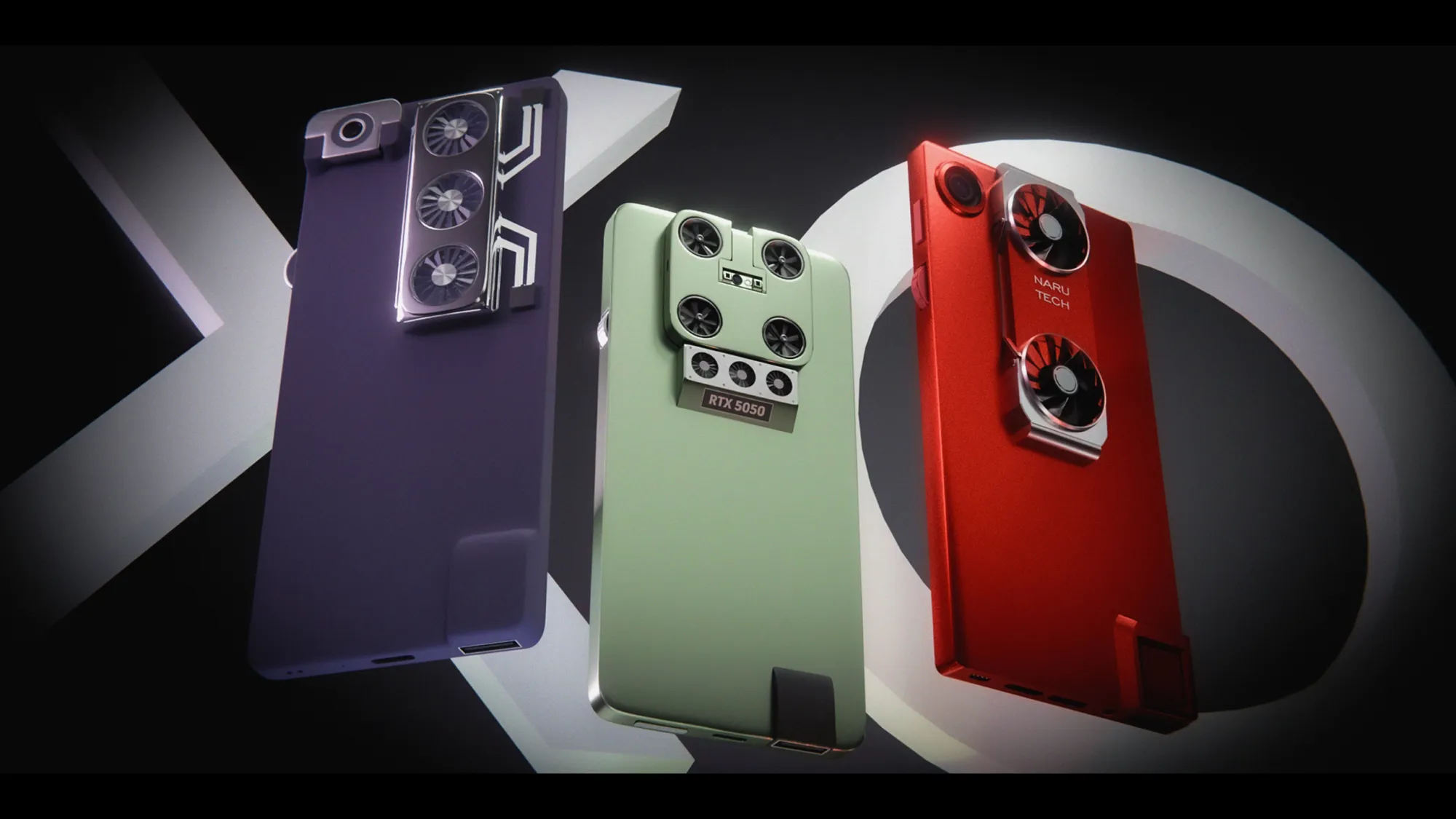
Overview Table: Sci-Fi-Like Smartphone Technologies on the Horizon
| Technology Area | What It Enables | Why It Feels Sci-Fi |
|---|---|---|
| AI-Driven On-Device Intelligence | Phones that think and adapt autonomously | Machines anticipating intent |
| Invisible and Under-Display Components | Seamless glass slabs | Hardware disappearing from sight |
| Shape-Shifting and Modular Phones | Devices that change form | Physical transformation on demand |
| Holographic and Spatial Displays | 3D visuals without glasses | Images floating in space |
| Solid-State and Graphene Batteries | Extreme endurance and safety | Near-limitless mobile energy |
| Neural and Biometric Interfaces | Control beyond touch | Mind-like interaction |
| Satellite-Native Connectivity | Global coverage anywhere | Always-connected reality |
| Self-Healing and Smart Materials | Phones that repair themselves | Living, adaptive hardware |
Introduction: When Spec Sheets Start Reading Like Science Fiction
Upcoming Smartphone Technologies That Sound Like Sci-Fi For most of the past decade, Upcoming Smartphone Technologies innovation felt incremental. Screens got slightly brighter, cameras added more lenses, processors became marginally faster, and batteries charged a bit quicker. Useful improvements, yes, but rarely jaw-dropping. That perception is now changing. As we move deeper into the second half of the 2020s, Upcoming Smartphone Technologies roadmaps are beginning to resemble concepts pulled straight from science fiction novels rather than consumer electronics catalogs.
The reason is convergence. Advances in artificial intelligence, materials science, semiconductor engineering, energy storage, optics, and human-computer interaction are finally intersecting at scale. Upcoming Smartphone Technologies are no longer just communication devices. They are becoming intelligent, adaptive, context-aware systems that sense, predict, and respond to the world around their users.
This article explores upcoming smartphone technologies that genuinely sound like sci-fi, not because they are flashy gimmicks, but because they fundamentally challenge how we think about personal computing. Written without external sources, this deep dive blends narrative imagination, technical explanation, analytical realism, and journalistic restraint to separate genuine transformation from marketing fantasy.
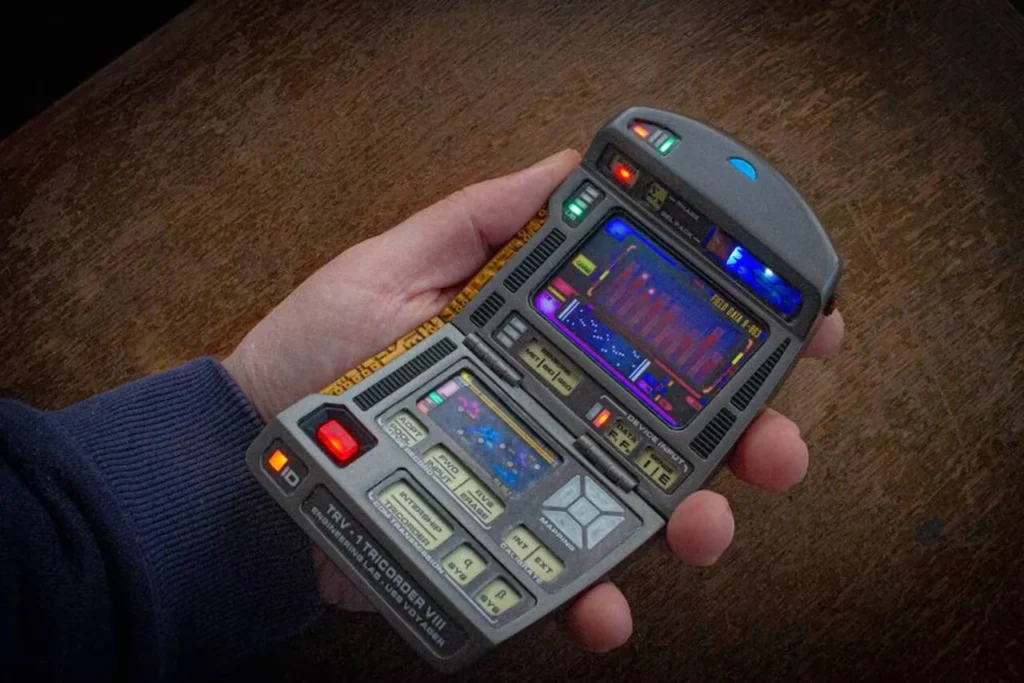
AI-Driven On-Device Intelligence: Phones That Anticipate You
From Assistants to Autonomous Systems
Current Upcoming Smartphone Technologies AI largely reacts. You ask a question, and the assistant responds. Upcoming smartphones are moving toward proactive intelligence. Instead of waiting for commands, devices will analyze patterns, context, and intent to act before the user asks.
Your phone will not just remind you of meetings. It will notice travel delays, reschedule appointments automatically, draft explanations, and notify relevant people without explicit instructions.
Fully On-Device Intelligence
The sci-fi element lies in independence. Advanced neural processors allow complex AI models to run entirely on the device. This means:
- No constant cloud dependence
- Near-instant responses
- Stronger privacy guarantees
The phone becomes a personal intelligence engine rather than a thin client connected to distant servers.
Emotional and Contextual Awareness
Future Upcoming Smartphone Technologies will read context through voice tone, typing rhythm, facial expressions, and usage behavior. They will adjust interfaces, notifications, and even color schemes based on stress levels, focus, or mood. This blurs the line between tool and companion.
Invisible Hardware: When the Phone Becomes Pure Glass
The Disappearing Camera
Under-display cameras are evolving beyond compromise. Future iterations will make front-facing cameras completely invisible, eliminating cutouts and notches without sacrificing image quality.
Eventually, even rear camera modules will flatten, using folded optics and computational photography to remove protruding lenses entirely.
Sensors Embedded in the Structure
Speakers, fingerprint readers, proximity sensors, and even antennas are being integrated into the phone’s internal layers. The result is a seamless object with no visible hardware clues.
The sci-fi sensation comes from absence. When technology vanishes physically but remains fully functional, it feels unnatural in the best way.
Shape-Shifting Smartphones: Devices That Physically Transform
Foldables Are Only the Beginning
Foldable phones introduced the idea that Upcoming Smartphone Technologies do not need a fixed shape. Upcoming devices will push this further with rollable, stretchable, and morphable displays that adapt dynamically.
A phone could expand into a tablet when reading or gaming, then shrink back into a pocketable form automatically.
Modular Morphing Designs
Beyond screens, internal components may shift position. Cameras could emerge only when needed. Buttons could appear as raised surfaces and disappear when not in use.
This concept feels sci-fi because it breaks the assumption that solid objects remain static.
Holographic and Spatial Displays: Screens Without Screens
Glasses-Free 3D Visualization
Holographic display research aims to project depth-aware visuals that appear to float above or within the phone’s surface. Unlike traditional 3D, these visuals respond to head movement naturally.
This enables:
- 3D navigation maps
- Interactive holographic calls
- Depth-based gaming interfaces
Spatial Computing on a Phone
Phones will understand physical space using advanced depth sensors and AI mapping. Digital objects can be anchored in the real world, turning the phone into a portal rather than a screen.
This aligns Upcoming Smartphone Technologies with concepts previously reserved for science fiction holodecks.
Revolutionary Battery Technology: Energy Without Anxiety
Solid-State Batteries
Solid-state batteries replace liquid electrolytes with solid materials, offering:
- Higher energy density
- Faster charging
- Improved safety
- Longer lifespan
Phones could last multiple days on a single charge while remaining thinner than today’s devices.
Graphene and Exotic Materials
Graphene-enhanced batteries promise ultra-fast charging and minimal degradation. A phone charging fully in minutes rather than hours no longer sounds speculative.
Ambient Energy Harvesting
Future Upcoming Smartphone Technologies may supplement battery power by harvesting energy from light, heat, motion, and radio waves. While not fully self-powering, this reduces reliance on chargers in subtle, cumulative ways.
Neural and Biometric Interfaces: Beyond Touchscreens
Thought-Adjacent Interaction
Direct mind control remains distant, but neural-adjacent interfaces are emerging. Subtle electrical signals from muscles and nerves could allow phones to detect intent before physical movement.
Scrolling, typing, or selecting could happen with micro-gestures or even focused attention.
Advanced Biometrics as Identity
Future Upcoming Smartphone Technologies will authenticate users through layered biometrics:
- Facial structure
- Voiceprint
- Behavioral patterns
- Heart rhythm signatures
The phone becomes identity-aware in a way that feels personal and almost sentient.
Satellite-Native Connectivity: Phones Without Dead Zones
Global Coverage by Default
Upcoming Smartphone Technologies are being designed with direct satellite communication capabilities. This goes beyond emergency messaging. The long-term vision includes:
- Global messaging
- Location sharing anywhere
- Low-bandwidth data access without towers
The sci-fi element is psychological. The idea that a small slab of glass can reach space effortlessly changes how people think about connectivity.
Disaster-Resilient Communication
In emergencies, phones will form hybrid networks using satellites, nearby devices, and temporary nodes, ensuring communication even when infrastructure collapses.
Self-Healing and Intelligent Materials
Materials That Repair Themselves
Inspired by biological systems, future Upcoming Smartphone Technologies may use polymers that heal micro-scratches and cracks through heat, pressure, or chemical reactions.
Your phone repairing overnight sounds fantastical, yet research trends suggest it is plausible.
Adaptive Durability
Smart materials can change stiffness, texture, or shock absorption based on conditions. A phone could become more rigid when dropped or softer when gripped.
Cameras That See Beyond Human Vision
Computational Vision Supremacy
Future Upcoming Smartphone Technologies cameras will rely less on optics and more on computation. AI reconstruction will allow:
- Near-DSLR quality from tiny sensors
- Perfect low-light imagery
- Adjustable focus after capture
Multispectral Imaging
Phones may capture information beyond visible light, enabling applications in health, environment analysis, and security. Seeing the invisible feels inherently sci-fi.
Phones as Personal Health Laboratories
Continuous Health Monitoring
Upcoming Smartphone Technologies will passively track health markers through skin contact, voice analysis, facial cues, and motion data.
Rather than periodic checks, health becomes a continuous background process.
Predictive Wellness
AI models may detect illness or stress days before symptoms appear, nudging users toward preventative action. This shifts healthcare from reactive to anticipatory.
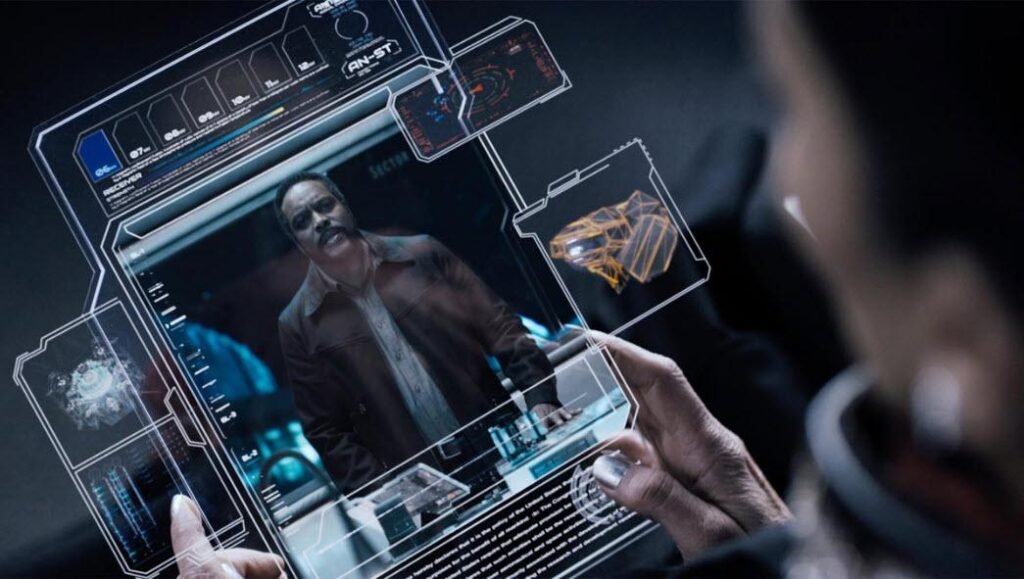
Privacy, Ethics, and the Cost of Sci-Fi Power
The Surveillance Risk
As phones become more aware, they also become more invasive. The line between helpful and intrusive grows thinner.
Ethical design will matter as much as technical capability.
Ownership of Intelligence
When a phone understands you deeply, questions arise:
- Who owns the data?
- Who controls the intelligence?
- Can the user fully opt out?
These are philosophical challenges, not just technical ones.
The Psychological Shift: Living With Intelligent Objects
From Tool to Partner
The most profound change is emotional. Phones are evolving from passive tools into active participants in daily life.
This relationship demands new boundaries, new etiquette, and new self-awareness.
Dependence Versus Empowerment
Sci-fi technologies promise empowerment, but they also risk dependency. The balance between augmentation and autonomy will define whether this future feels liberating or unsettling.
What Will Likely Arrive First
Not all sci-fi ideas will land simultaneously. The most realistic near-term technologies include:
- Advanced on-device AI
- Invisible sensors and cameras
- Solid-state batteries
- Satellite connectivity
More radical concepts like holograms and neural interfaces will arrive gradually, refined through iteration rather than sudden leaps.
Conclusion: When the Future Fits in Your Pocket
Upcoming smartphone technologies genuinely sound like science fiction because they challenge assumptions about what a phone is. No longer just a communication device, the Upcoming Smartphone Technologies is evolving into an intelligent, adaptive extension of the human mind and body.
The future phone will not announce itself with flashy gimmicks. It will feel almost invisible, seamlessly anticipating needs, reshaping itself to context, and quietly dissolving the boundary between digital and physical life.
Whether this future feels empowering or unsettling depends not on the technology itself, but on how thoughtfully it is designed, regulated, and used. One thing is certain: the era of boring Upcoming Smartphone Technologies is ending, and the era of sci-fi-level personal technology has already begun.
