
Introduction – The New Wave of Spanish Football
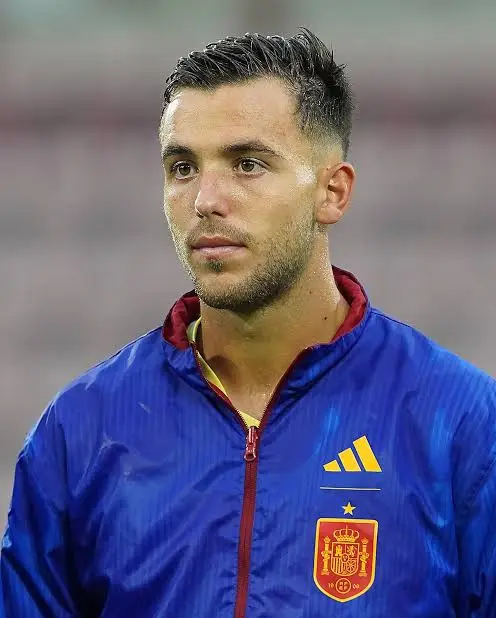
In every generation of football, a few players emerge who represent not just skill, but a philosophy. For Spain, that philosophy has always been about intelligence, control, and beauty — football as art, not force. Today, as the golden era of Xavi Hernández, Andrés Iniesta, and Sergio Busquets transitions into memory, a new name is carving his path with quiet confidence: Nico González.
Nico González is not a flashy player. He doesn’t dazzle with stepovers or viral highlights. His game is subtle, deliberate, and deeply cerebral — built on balance, rhythm, and an understanding of space that feels almost instinctive. He is, in many ways, a throwback to classic Spanish midfield ideals — but with the modern physicality, intensity, and tactical intelligence demanded by today’s game.
Born in A Coruña, Galicia, and nurtured in Barcelona’s legendary academy, La Masia, Nico González embodies the seamless blend of tradition and evolution. His story isn’t just about talent — it’s about patience, learning, and adapting to a football world that changes faster than ever.
From Barcelona’s tight triangles to FC Porto’s dynamic transitions, Nico has evolved into one of Europe’s most promising midfielders — not just a passer, but a thinker; not just a player, but a leader in the making.
2. Overview Table – Nico González at a Glance
| Attribute | Details |
|---|---|
| Full Name | Nicolás González Iglesias |
| Date of Birth | 3 January 2002 |
| Place of Birth | A Coruña, Galicia, Spain |
| Nationality | Spanish 🇪🇸 |
| Height | 1.88 m (6 ft 2 in) |
| Position | Central Midfielder / Defensive Midfielder |
| Current Club | FC Porto (Primeira Liga) |
| Previous Clubs | Barcelona B, FC Barcelona, Valencia (loan) |
| Youth Academy | Deportivo La Coruña → La Masia (Barcelona) |
| Preferred Foot | Right |
| Playing Style | Deep-lying playmaker with physical dominance and tactical intelligence |
| Strengths | Vision, composure, passing accuracy, spatial awareness, work rate |
| Weaknesses | Acceleration, offensive risk-taking |
| Notable Trait | Calm under pressure, strong positional sense |
| Senior Debut | 2021 – FC Barcelona (under Ronald Koeman) |
| International Prospects | Spain U21 regular, potential senior call-up |
| Estimated Market Value (approx.) | €25–30 million (as of 2025, projection) |
3. Early Life and Football Beginnings
Every great footballer’s journey begins not under the blinding lights of a packed stadium but on the quiet, uneven pitches of childhood. For Nico González, the story starts in A Coruña, a coastal city in Galicia, Spain — a region known more for its passion than its footballing fame. Born on January 3, 2002, Nico González was surrounded by football from his earliest memories. His father, Fran González, was a legend at Deportivo La Coruña, a technically gifted midfielder who defined an era at the club during the late 1990s and early 2000s.
Football, then, was not just a sport for Nico — it was family tradition, dinner table conversation, and an unspoken expectation. Yet, rather than being crushed by that legacy, young Nico used it as a silent motivation. Watching his father’s calm control and composure on the ball inspired him to fall in love with the midfield’s heart — the space where chaos is turned into structure.
He joined Deportivo’s youth academy at a young age, quickly standing out for his natural balance, intelligence, and ability to read the game. Coaches described him as “quiet but always in control.” Unlike other kids who rushed toward the goal, Nico preferred to sit deeper, orchestrating play like a young conductor. He had an innate sense of positioning that allowed him to anticipate movements before they happened — a rare gift for a player barely in his teens.
By the time he was 11, scouts from FC Barcelona had already noticed him. His awareness, technical touch, and understanding of space fit perfectly with the Barça DNA. In 2013, he made a life-changing move — leaving Galicia for La Masia, Barcelona’s world-famous youth academy. It was a leap from comfort to competition, from familiar pitches to the most demanding football school in the world.
4. The Barcelona Academy Journey (La Masia)
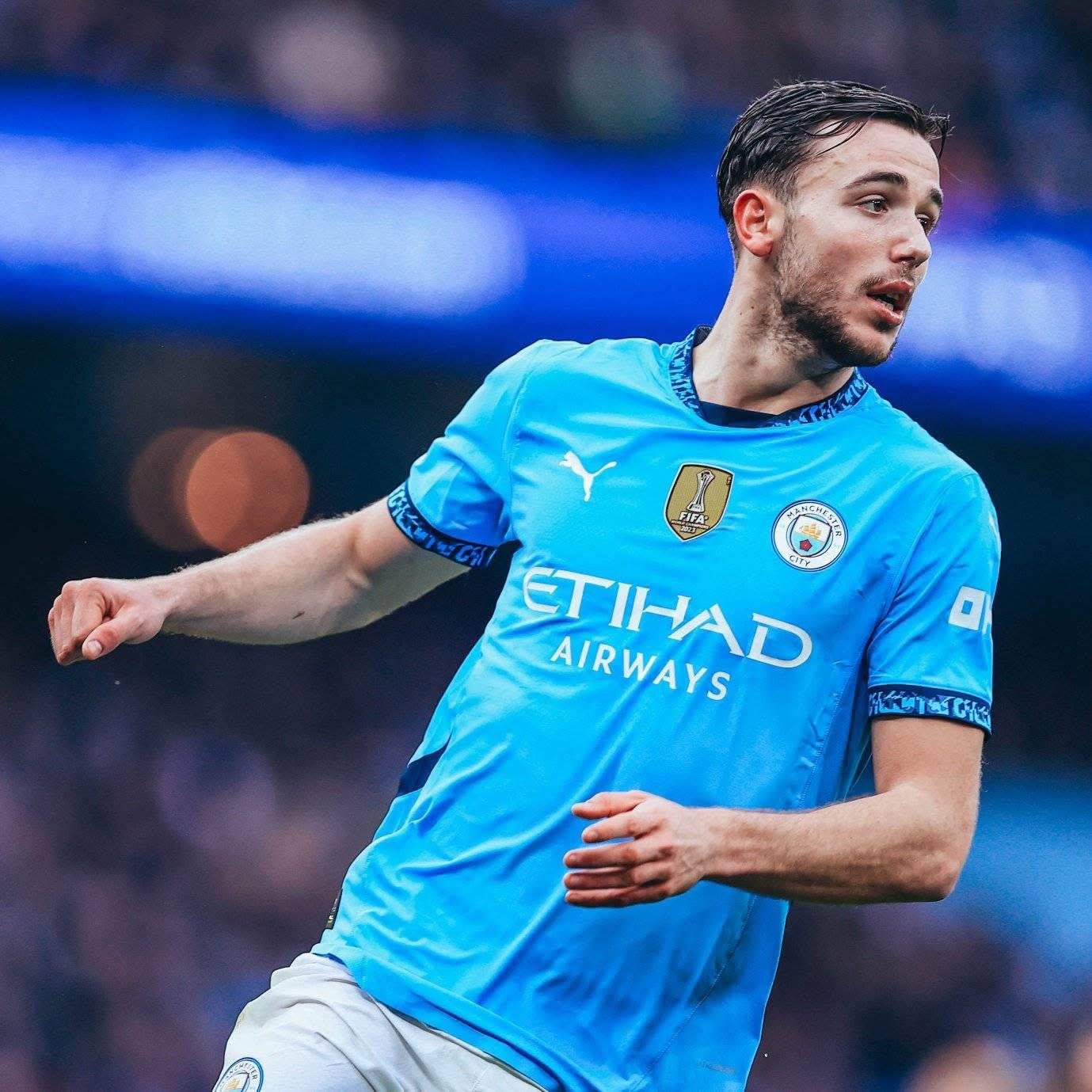
At La Masia, Nico entered a world of excellence — where every pass was measured, every movement analyzed, and every mistake used as a lesson. The philosophy was clear: the ball is the teacher. Under the guidance of some of the best youth coaches in Spain, Nico transformed from a promising young boy into a refined tactical player.
The early years were tough. The competition was fierce, with players from across the world fighting for limited spots. Nico wasn’t the flashiest or fastest, but he had something few others did — consistency. He learned to absorb pressure, to make the right decisions even in the smallest spaces. His tall frame (which would later grow to 1.88 meters) initially made him stand out physically, but he learned to pair that strength with technique — a rare blend that Barcelona had long sought after.
As he matured, Nico became a natural leader in the academy squads. Coaches often entrusted him with the pivot role — the central defensive midfielder who anchors the play, much like Sergio Busquets, his idol and later his mentor. He studied Busquets’ movement meticulously: how he received passes under pressure, how he scanned before touching the ball, how he controlled tempo with one simple turn.
By 2019, Nico was captaining Barcelona’s U19 team and soon after moved up to Barcelona B, the reserve team playing in Spain’s lower divisions. It was here that the boy from Galicia truly began to shine. Facing older, more physical opponents, Nico learned to adapt — using his body intelligently, protecting the ball, and making precise forward passes that cut through defensive lines.
In 2021, after years of patience and hard work, Ronald Koeman, Barcelona’s first-team coach at the time, handed him his senior debut. For Nico, it was more than just a match — it was the culmination of a decade of dedication. Wearing the iconic blaugrana shirt, stepping onto the Camp Nou pitch, he represented not just himself, but the future of La Masia.
5. Debut and Early Challenges in La Liga
Making your debut for FC Barcelona is one thing; maintaining your place is another story altogether. Nico’s first season with the senior squad was a blend of promise and pressure. The club was going through one of its most turbulent periods — financial instability, the departure of Lionel Messi, and the restructuring of the squad under Koeman and later Xavi Hernández.
Yet amidst the chaos, Nico’s composure was refreshing. He brought calmness in possession, maturity beyond his years, and an understanding of the game’s rhythm that reminded fans of Busquets’ early days. In matches against tough opposition, he showcased not only skill but courage — receiving under pressure, distributing intelligently, and never shying away from responsibility.
Still, there were challenges. Competing for midfield spots against seasoned professionals like Frenkie de Jong, Pedri, and Gavi was never easy. Nico González had to find his own identity — less of a copy, more of an evolution. While Busquets specialized in positional control, Nico González added verticality and dynamism, driving forward with the ball and linking defense to attack.
6. Technical Analysis – Passing, Vision, and Control
From a technical standpoint, Nico González represents a modern evolution of the Spanish midfielder. His foundation is pure La Masia — first touch, vision, passing angles — but his style is defined by physicality and versatility.
Passing and Vision:
Nico Gonzálezs passing range is elite. He combines short, quick exchanges in tight spaces with long diagonal switches that open up play. He doesn’t just pass; he progresses the ball. His scanning frequency — how often he looks around before receiving — rivals Europe’s top midfielders. That mental mapping of the field allows him to execute decisions instantly, creating the illusion of having “more time” on the ball than others.
Composure Under Pressure:
One of his defining traits is composure. Whether being pressed by two opponents or stuck near the touchline, Nico González rarely panics. He often uses small body feints or turns to escape pressure, much like Busquets or Rodri. His calmness spreads confidence across the pitch.
Control and Ball Retention:
With a tall frame and strong lower body, he shields the ball exceptionally well. His close control, despite his size, is a major advantage — allowing him to operate effectively in crowded midfields. He often manipulates tempo, slowing or speeding play based on team rhythm.
Defensive Intelligence:
Though not a traditional ball-winner, Nico’s defensive strength lies in positioning. He anticipates passing lanes and intercepts effectively. His pressing triggers — knowing when to step up or sit back — show a level of tactical maturity rare for his age.
7. Tactical Versatility and Adaptation
In modern football, adaptability defines survival. Systems evolve faster than ever — coaches demand midfielders who can play multiple roles, press intelligently, and adjust to dynamic formations. Nico González is one of those rare players who can reshape himself to fit the team’s tactical blueprint.
During his time at Barcelona, Nico González was used across various positions in midfield — as a pivot (No. 6), a box-to-box midfielder (No. 8), and occasionally even in an advanced role (No. 10) when the situation demanded. Each role required a different mindset, and Nico González adapted with remarkable intelligence.
When positioned as the deep-lying playmaker, his responsibility was to control tempo — staying close to the center-backs, orchestrating buildup, and recycling possession to maintain rhythm. In this role, he mirrored Sergio Busquets’ precision but added more vertical drive. He could break lines with forward passes — a modern twist to Barcelona’s positional play.
When used higher up, Nico González showcased his ability to carry the ball under pressure, initiating transitions from deep zones to attacking thirds. His long strides and physical balance made him difficult to dispossess, allowing him to act as a link between defense and attack. That duality — being both the foundation and the connector — defines his tactical importance.
8. The FC Porto Chapter – A Fresh Start Abroad
Leaving Barcelona is never easy for a La Masia graduate. The emotional attachment to the club runs deep — it’s a home, a culture, and a way of life. But for Nico González, the move to FC Porto in 2023 represented more than a transfer — it was a rebirth.
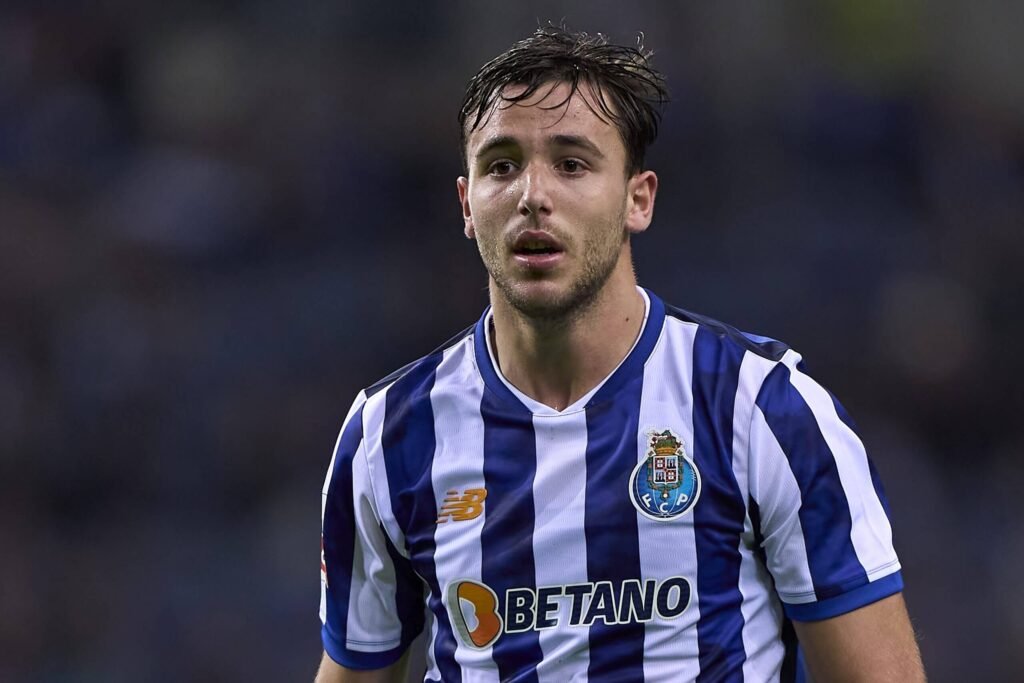
At Porto, he found what every young player seeks: trust and responsibility. Manager Sérgio Conceição saw in Nico González not just a prospect but a pillar. The Portuguese league, known for its physical intensity and tactical discipline, was the perfect testing ground for him to expand his game.
From his very first appearances, Nico González impressed with his calmness and maturity. He quickly became one of Porto’s most consistent performers — anchoring the midfield, dictating rhythm, and protecting the back line with intelligence far beyond his age. His long passes helped initiate Porto’s quick counterattacks, while his defensive awareness kept transitions under control.
Unlike the possession-heavy environment of Barcelona, Porto demanded pragmatism. Nico González learned how to manage matches, when to push, when to retreat, and how to maintain control without overcomplicating play. He adapted to the physical challenges of Portuguese football — dueling with strong midfielders, handling faster transitions, and embracing a more combative style.
9. Mentality and Leadership – Beyond the Game
In the modern football landscape, technical skill gets you noticed — but mentality keeps you relevant. Nico González possesses a mentality that reflects patience, humility, and relentless curiosity to improve.
Those who know him often describe him as “obsessive about learning”. He’s the type of player who studies match replays late at night, analyzing positioning and small errors most fans wouldn’t even notice. His discipline is inherited from his father, Fran — not through pressure, but through example. Watching his father’s calm, workmanlike approach to football instilled in Nico González a deep respect for professionalism.
Nico González rarely shows emotion on the field — a trait often mistaken for detachment. In reality, it’s focus. He plays with the composure of a veteran, never arguing with referees or gesturing dramatically. His communication is subtle — small instructions, quick eye contact, tactical gestures. This quiet authority makes him a natural leader.
10. Role in Spain’s Football Future
Spain’s football identity has always revolved around the midfield — the brain of the game. From the elegance of Xavi and Iniesta to the intelligence of Busquets and the aggression of Rodri, the nation’s strength lies in how it controls the center of the pitch. Nico González is positioned to be the next link in that golden chain.
As Spain transitions toward a new generation, the national team’s midfield is evolving. Players like Pedri and Gavi bring creativity and energy, but the need for a stable anchor — someone who can control tempo, read transitions, and protect the defense — remains critical. Nico González fits that profile perfectly.
He has already featured for Spain’s U21 side, and many experts see him as a natural candidate for the senior squad in the coming years. His combination of positional awareness, physical strength, and composure under pressure aligns perfectly with Spain’s traditional style — but with added modern robustness.
Conclusion – The Future of Spanish Midfielding
In the ever-shifting theater of world football, few roles demand more intelligence, patience, and grace than the central midfielder. It is the position where the rhythm of the game is written, where chaos turns into symmetry, and where a player’s mind is tested as much as his feet. In that sacred space, Nico González has quietly carved his place — not through flashy moments, but through purpose, precision, and poise.
