
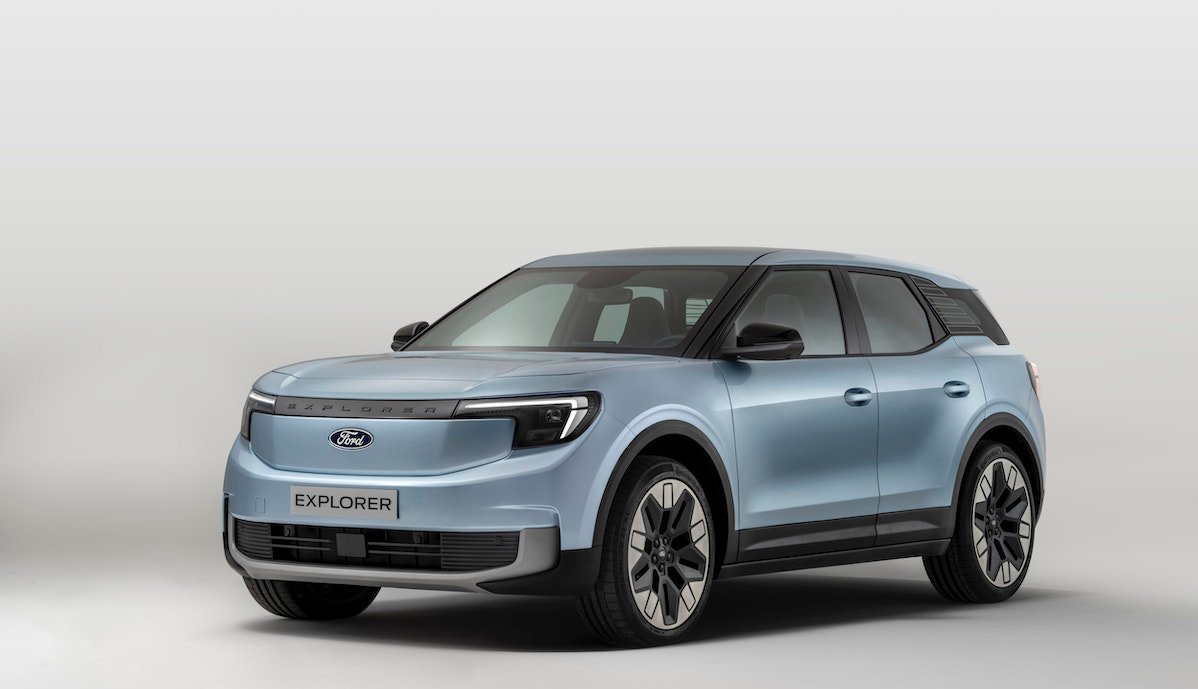
Overview Table
| Aspect | Description |
|---|---|
| Brand | Ford |
| Vehicle Type | Electric cars |
| Power Source | Battery electricity |
| Drive System | Electric motor |
| Main Purpose | Daily personal and business use |
| Key Focus | Practicality and reliability |
| Technology | Software-driven systems |
| Long-Term Vision | Sustainable mobility |
Introduction
Ford electric cars represent a major shift in the direction of one of the world’s oldest and most influential automobile companies. For more than 100 years, Ford built its identity around petrol and diesel engines, mechanical durability, and mass production. The company helped shape modern transportation by making cars affordable and accessible to millions of people. Today, Ford faces a very different world, one where electric vehicles are becoming essential rather than optional.
Electric cars are no longer seen as futuristic experiments. They are now practical tools for everyday transportation. Governments are pushing for lower emissions, cities are restricting fuel-based vehicles, and customers are becoming more aware of environmental issues. At the same time, advances in battery technology and software have made electric cars more reliable and user-friendly.
Ford electric cars are designed to respond to these changes without abandoning the brand’s core values. They aim to offer comfort, safety, practicality, and trust, while also embracing clean energy and digital technology. Ford’s approach is not about chasing extremes, but about creating electric cars that fit naturally into daily life.
This article explains Ford electric cars in simple language. It explores why Ford is investing in electric vehicles, how the technology works, what makes Ford’s electric cars different, and what challenges and opportunities lie ahead. The article combines storytelling, analysis, technical explanation, and clear reporting to give a complete and easy-to-understand picture.
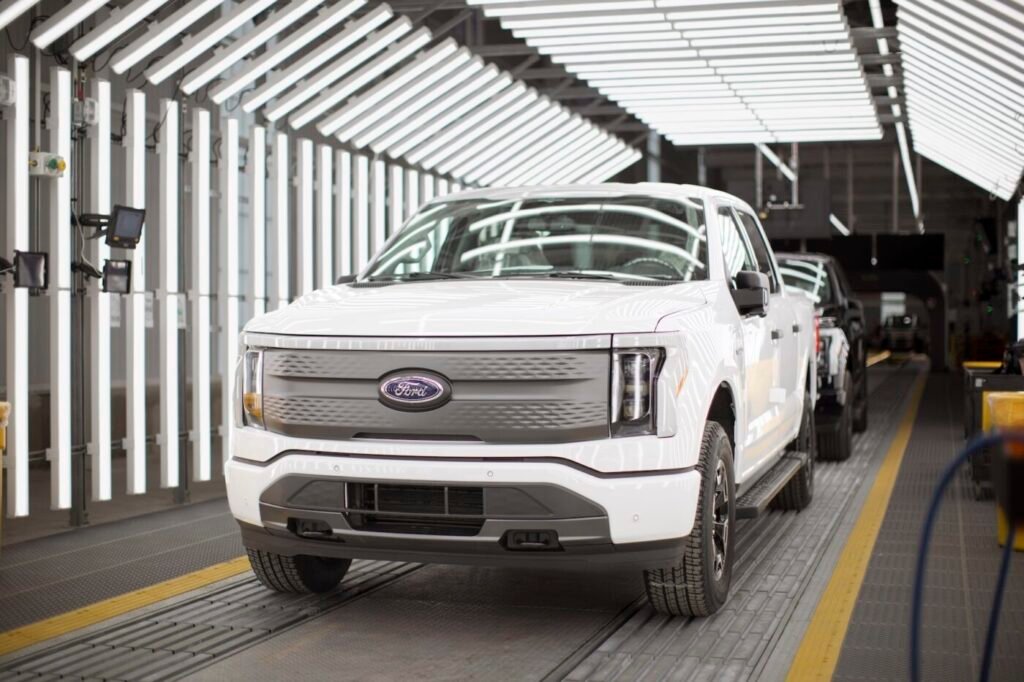
Why Ford Is Moving to Electric Cars
Global Environmental Pressure
One of the strongest reasons behind Ford’s move to electric cars is environmental pressure. Climate change, air pollution, and carbon emissions have become global concerns. Governments around the world are setting strict rules to reduce vehicle emissions and promote cleaner energy.
Petrol and diesel vehicles produce harmful gases that affect air quality and health. Electric cars produce no exhaust emissions while driving. By expanding its electric car lineup, Ford aims to reduce its environmental impact and meet future regulations.
Changes in Government Policies
Many countries are introducing policies that encourage electric vehicles. These include tax benefits, subsidies, and future bans on new petrol and diesel cars. Ford must adapt to these policies to continue operating in global markets.
Electric cars help Ford stay compliant with laws while preparing for a future where combustion engines may become less common.
Changing Customer Behavior
Customers today think differently about cars. They care about fuel costs, environmental responsibility, and digital features. Many drivers also want quiet, smooth vehicles that are easy to maintain.
Ford electric cars are designed to match these expectations. They aim to feel familiar to traditional drivers while offering the benefits of electric driving.
Business Survival and Growth
From a business perspective, electric cars are not optional for Ford. They are necessary for long-term survival. Companies that fail to adapt risk losing relevance.
Ford’s investment in electric vehicles is part of a broader strategy to secure its future in a rapidly changing automotive industry.
Basic Technology of Ford Electric Cars
Electric Motors
Ford electric cars use electric motors instead of internal combustion engines. These motors convert electrical energy directly into movement. Unlike engines, electric motors do not need fuel explosions or complex mechanical systems.
Electric motors are efficient, quiet, and responsive. They deliver power instantly, which improves acceleration and driving comfort.
Battery Systems
The battery is the heart of an electric car. It stores electricity and supplies power to the motor. Battery capacity determines how far the car can travel on a single charge.
Ford designs its batteries to balance range, safety, weight, and cost. Battery management systems monitor temperature, charge levels, and performance to ensure long-term reliability.
Power Electronics
Power electronics control how electricity flows from the battery to the motor. These systems manage acceleration, braking, and energy recovery.
They also help improve efficiency by reducing energy loss.
Regenerative Braking
When a Ford electric car slows down, the electric motor works as a generator. It converts motion back into electricity and stores it in the battery.
This system increases efficiency and helps extend driving range, especially in city traffic.
Design Philosophy of Ford Electric Cars
Familiar Appearance
Ford electric cars are designed to look familiar rather than extreme. Ford avoids overly futuristic designs that may alienate traditional customers.
The goal is to make electric cars feel like a natural evolution of existing vehicles rather than a complete break from the past.
Aerodynamic Efficiency
Electric cars benefit from smooth airflow. Ford uses aerodynamic shapes to reduce air resistance, which helps improve driving range.
Design elements such as closed grilles and smooth body lines support efficiency without compromising style.
Interior Simplicity
Inside the cabin, Ford electric cars focus on simplicity and clarity. Digital displays replace many physical buttons. Controls are intuitive and easy to use.
The quiet nature of electric driving enhances comfort and creates a calm driving environment.
Driving Experience
Smooth Acceleration
One of the most noticeable features of Ford electric cars is smooth acceleration. Power is available instantly, without gear changes or engine noise.
This makes driving easier and more relaxing, especially in traffic.
Quiet Operation
Electric cars are much quieter than petrol or diesel vehicles. There is no engine noise, only minimal road and wind sounds.
Ford uses sound insulation to maintain a peaceful cabin environment.
Easy Handling
Electric cars often have a low center of gravity because batteries are placed under the floor. This improves stability and handling.
Ford electric cars feel balanced and confident on the road.
Charging and Daily Use
Home Charging
Most Ford electric car owners charge their vehicles at home. Charging overnight provides enough energy for daily driving needs.
Home charging turns refueling into a simple habit, similar to charging a phone.
Public Charging
Ford electric cars can use public charging stations. These stations are found in parking areas, highways, and urban locations.
Fast chargers allow drivers to add significant range in a short time, making longer trips possible.
Charging Management
Software systems manage charging speed and battery health. This protects the battery and improves its lifespan.
Drivers can monitor charging status through digital displays.
Software and Digital Features
Vehicle Software
Ford electric cars rely heavily on software. It controls energy usage, navigation, safety systems, and entertainment features.
Software updates can improve vehicle performance and add new features over time.
Connectivity
Modern connectivity allows drivers to access navigation, vehicle status, and settings digitally.
These features improve convenience and usability.
Driver Assistance
Ford electric cars include driver assistance technologies designed to support safety and comfort.
These systems work quietly in the background, helping drivers without taking full control.
Environmental Impact
Zero Tailpipe Emissions
Ford electric cars produce no exhaust emissions during driving. This helps improve air quality, especially in cities.
Cleaner air benefits public health and the environment.
Energy Efficiency
Electric vehicles convert more energy into movement than traditional engines. Less energy is wasted as heat.
This makes electric cars more efficient overall.
Long-Term Sustainability
Ford is working toward making electric cars part of a broader sustainable system, including cleaner energy sources and recycling.
Market Position of Ford Electric Cars
Wide Customer Base
Ford electric cars are designed for a wide audience. They are suitable for families, professionals, and businesses.
Ford focuses on making electric vehicles accessible rather than exclusive.
Brand Trust
Ford’s long history gives customers confidence. Many buyers trust Ford for reliability and service support.
This trust helps Ford compete in the electric vehicle market.
Competition
The electric car market is competitive. Many manufacturers offer electric vehicles.
Ford competes by combining technology with practicality and brand familiarity.
Challenges Facing Ford Electric Cars
Charging Infrastructure
Charging availability varies by region. In some areas, limited charging infrastructure remains a challenge.
Ford works with partners to support charging expansion.
Battery Costs
Batteries are expensive to produce. This affects vehicle pricing.
Ford aims to reduce costs through scale and innovation.
Customer Education
Some customers are still unfamiliar with electric vehicles. Ford must educate buyers about charging, range, and ownership.
Clear communication is essential.
The Future of Ford Electric Cars
Continuous Improvement
Ford plans to improve battery range, charging speed, and software performance.
Future electric cars are expected to be more efficient and advanced.
Expansion of Electric Lineup
Ford will continue expanding its electric car offerings to cover different customer needs.
This includes personal vehicles and commercial applications.
Long-Term Vision
Ford electric cars are part of a long-term vision focused on cleaner, smarter transportation.
The company aims to remain relevant and responsible in a changing world.
Conclusion
Ford electric cars represent a major transformation for a company with deep automotive roots. Instead of relying solely on engines and fuel, Ford is building vehicles around electricity, software, and sustainability.
By focusing on practical design, familiar driving experiences, and reliable technology, Ford makes electric cars approachable for everyday drivers. These vehicles are not just about innovation; they are about making modern mobility simple and accessible.
Ford electric cars show that even the most traditional companies can adapt to change without losing their identity. As electric vehicles become more common, Ford’s role in shaping this future will continue to grow.
