

Overview Table
| Topic | Details |
|---|---|
| Power Cut Meaning | Sudden interruption of electricity supply |
| Main Risks | Data loss, hardware damage, reduced lifespan |
| Most Affected Parts | Hard drive, motherboard, power supply, RAM |
| Short-Term Effects | Sudden shutdown, file corruption |
| Long-Term Effects | Component wear, system instability |
| Protection Methods | UPS, surge protector, voltage stabilizer |
| Software Safety | Auto-save, system backups, safe shutdown |
| Best Practice | Combining hardware and software protection |
Overview
Power Cut Problems are a common issue in many parts of the world, especially in areas where electricity supply is unstable or demand exceeds capacity. While a brief Power Cut Problems interruption may seem harmless, it can cause serious damage to a personal computer. Sudden shutdowns, voltage fluctuations, and repeated power failures can affect hardware components, corrupt important data, reduce system performance, and shorten the overall lifespan of a PC.
Many users underestimate the risks associated with Power Cut Problems cuts until they experience problems such as a dead motherboard, failed hard drive, or lost files. Computers are designed to operate with a stable and continuous power supply. Any sudden change in electricity flow can disrupt internal processes and cause both immediate and long-term damage.
This article explains power cut problems in detail and provides practical, easy-to-follow methods to protect your PC from damage. It covers the nature of Power Cut Problems issues, how they impact computer systems, vulnerable components, preventive hardware solutions, software-based precautions, and best practices for ensuring long-term protection.

Understanding Power Cut Problems
Power cut problems occur when the normal supply of electricity is interrupted without warning. These interruptions can last from a few seconds to several hours. In some cases, Power Cut Problems may return with high or unstable voltage, which is even more dangerous than the outage itself.
Power Cut Problems issues are not limited to complete blackouts. They also include voltage drops, voltage spikes, brownouts, and frequent on-off cycles. Each of these situations can negatively affect a computer system in different ways.
When a PC is running, it constantly reads and writes data, processes instructions, and powers delicate electronic circuits. A sudden loss of Power Cut Problems interrupts these processes instantly. Unlike a proper shutdown, where the operating system safely closes programs and saves data, a power cut forces the system to stop abruptly.
Types of Power-Related Issues
Complete Power Cut Problems Cut
A complete Power Cut Problems happens when electricity supply stops entirely. The computer shuts down instantly without warning. This is one of the most common and dangerous scenarios for data loss.
Voltage Fluctuation
Voltage fluctuation occurs when the supply voltage goes above or below safe levels. High voltage can burn components, while low voltage can cause unstable system behavior.
Power Cut Problems Surge
A Power Cut Problems surge is a sudden increase in voltage that lasts for a very short time. Surges often happen when electricity returns after an outage or during lightning storms. They can instantly damage sensitive PC components.
Brownout
A brownout is a temporary drop in voltage rather than a complete outage. Although the PC may continue running, low voltage can strain the Power Cut Problems supply and internal components.
Frequent Power Interruptions
Repeated Power Cut Problems cuts and restorations within a short period can be more harmful than a single long outage. This constant stress weakens components over time.
How Power Cuts Affect a PC
Power Cut Problems cuts affect a PC at both hardware and software levels. The damage may be immediate or may appear gradually over time.
Data Loss and File Corruption
When a power cut occurs while files are being saved or programs are running, data may not be written properly to the storage device. This can result in corrupted files, incomplete documents, or lost work.
Operating system files are also at risk. Corruption in system files can cause boot errors, crashes, or unstable performance.
Hard Drive Damage
Traditional hard disk drives use spinning disks and moving read-write heads. Sudden power loss can interrupt these movements, increasing the risk of physical damage or bad sectors.
Even solid-state drives, which have no moving parts, are vulnerable to data corruption if power is lost during write operations.
Power Supply Unit Failure
The power supply unit converts external electricity into usable Power Cut Problems for PC components. Frequent power cuts and voltage fluctuations place heavy stress on the Power Cut Problems supply, increasing the chances of failure.
A damaged power supply can also harm other components connected to it.
Motherboard and Component Damage
The motherboard connects all components and regulates Power Cut Problems distribution. Voltage surges or unstable power can damage motherboard circuits, capacitors, and voltage regulators.
RAM, graphics cards, and storage devices can also be affected by sudden power changes.
Reduced Lifespan of Components
Even if no immediate failure occurs, repeated exposure to power cuts reduces the lifespan of internal components. Over time, this leads to frequent crashes, slower performance, and unexpected hardware failures.
Why PCs Are Sensitive to Power Issues
Computers are designed to operate within specific electrical limits. Internal components rely on precise voltage levels to function correctly. Any deviation from these levels can disrupt normal operations.
Modern PCs also perform constant background tasks such as indexing, updates, and caching. A sudden shutdown interrupts these tasks, increasing the risk of errors and corruption.
Unlike simple appliances, computers handle complex data processes, making them more vulnerable to sudden power changes.
Protecting Your PC from Power Cut Damage
Protecting a PC from power cut problems requires a combination of proper hardware, software precautions, and responsible usage habits. Relying on a single method is often not enough.
Using an Uninterruptible Power Supply
An uninterruptible power supply is one of the most effective ways to protect a PC from power cuts.
What a UPS Does
A UPS provides backup power when the main electricity supply fails. It allows the PC to continue running for a short period or gives the user enough time to save work and shut down the system safely.
Benefits of a UPS
A UPS prevents sudden shutdowns during power cuts, reducing the risk of data loss and file corruption. It also regulates voltage and protects against minor power fluctuations.
Choosing the Right UPS
The capacity of the UPS should match the power requirements of your PC and connected devices. A higher-capacity UPS provides longer backup time and better protection.
Maintenance of a UPS
UPS batteries degrade over time and require periodic replacement. Regular maintenance ensures reliable performance during power outages.
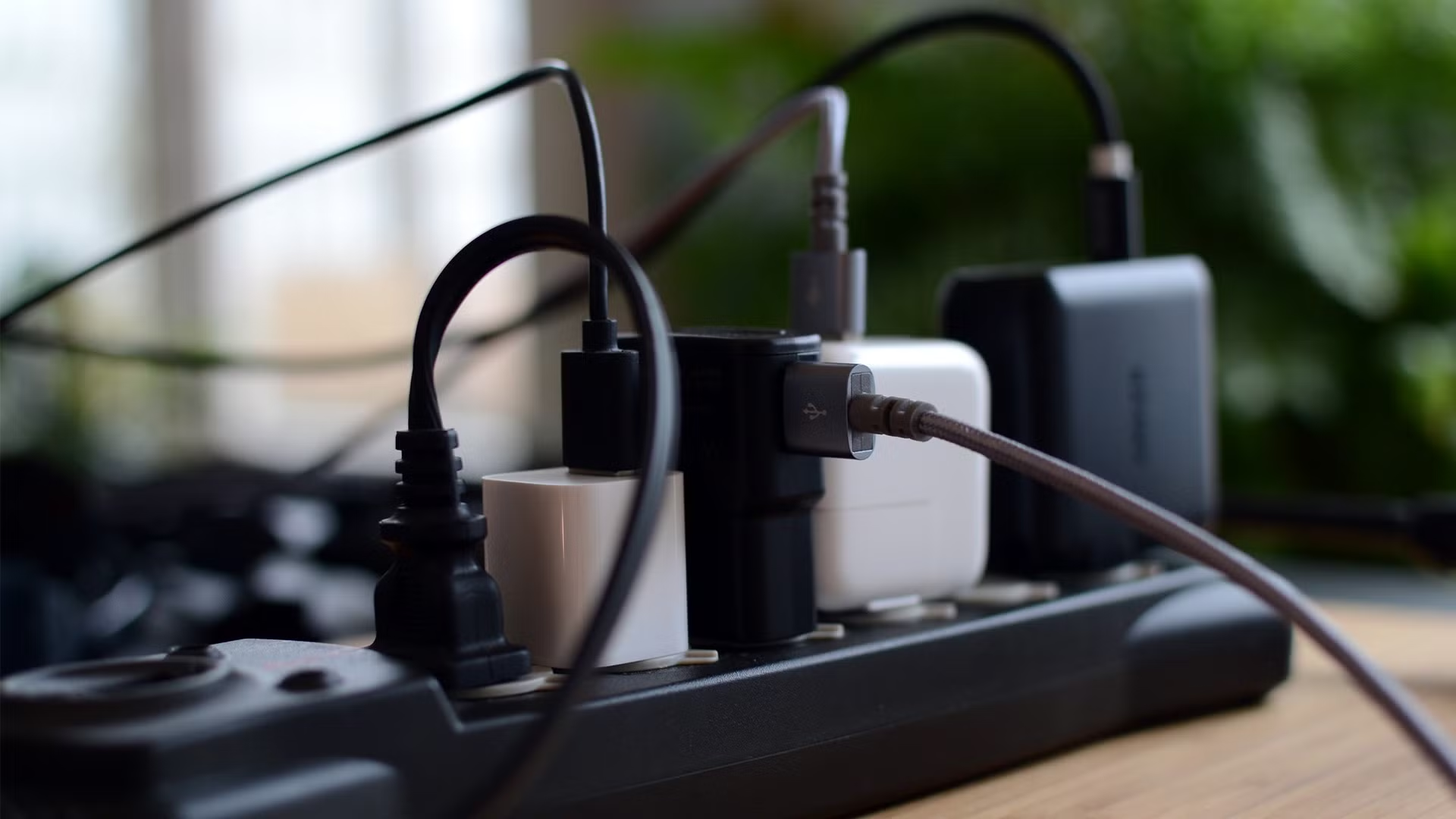
Using a Surge Protector
A surge protector protects the PC from sudden voltage spikes that occur during storms or when power is restored after an outage.
Importance of Surge Protection
Voltage surges can instantly damage sensitive electronic components. A surge protector absorbs excess voltage and prevents it from reaching the PC.
Limitations of Surge Protectors
Surge protectors do not provide backup power. They only protect against voltage spikes. For complete protection, they should be used along with a UPS.
Voltage Stabilizers
In areas with frequent voltage fluctuations, a voltage stabilizer helps maintain a steady power supply to the PC.
How Voltage Stabilizers Work
A voltage stabilizer adjusts incoming voltage to safe levels before it reaches the PC. This prevents damage caused by high or low voltage.
When to Use a Stabilizer
Voltage stabilizers are especially useful in regions with unstable electricity supply or frequent brownouts.
Proper Shutdown Practices
Avoid Forced Shutdowns
Never turn off the power switch directly when the PC is running. Always shut down the system properly using the operating system’s shutdown option.
Safe Shutdown During Power Cuts
If you are using a UPS, shut down the PC as soon as the power goes out instead of waiting for the battery to drain completely.
Software-Based Protection Measures
Enable Auto-Save Features
Most modern applications offer auto-save or recovery features. Enabling these options reduces the risk of losing work during sudden shutdowns.
Regular Data Backups
Regular backups ensure that important files are safe even if data corruption occurs. Backups can be stored on external drives or secondary storage devices.
Use Reliable Operating System Updates
Keeping the operating system updated helps fix bugs related to file handling and system recovery after unexpected shutdowns.
Disk Health and File System Protection
Run Disk Checks Regularly
Unexpected shutdowns can cause file system errors. Running regular disk checks helps identify and fix these issues.
Avoid Heavy Tasks During Unstable Power
Avoid software installations, system updates, or file transfers during periods of frequent power cuts. These tasks are more likely to fail during interruptions.
Hardware Placement and Environment
Proper Ventilation
Overheating combined with unstable power increases the risk of component failure. Ensure proper airflow around the PC.
Clean Power Connections
Loose or damaged power cables increase the risk of sparks, power loss, and electrical damage.
Laptop vs Desktop Protection
Laptops and Built-in Batteries
Laptops have built-in batteries that provide temporary backup during power cuts. However, frequent outages can still affect the charger and battery health.
Desktop Systems
Desktop PCs require external protection such as a UPS and surge protector, as they have no internal backup power.
Long-Term Best Practices
Invest in Quality Components
High-quality power supplies and branded components handle power fluctuations better than low-quality alternatives.
Monitor Power Conditions
Being aware of local power conditions helps you take preventive measures during storms or scheduled outages.
Combine Multiple Protection Methods
Using a UPS, surge protector, and proper software practices together offers the highest level of protection.
Common Myths About Power Cuts and PCs
Short Power Cuts Do No Harm
Even a brief power cut can cause data corruption or stress internal components.
Surge Protectors Are Enough
Surge protectors alone do not prevent sudden shutdowns. Backup power is equally important.
Only Old PCs Are Affected
Modern PCs are also vulnerable due to complex data processes and sensitive electronics.
Conclusion
Power cut problems are a serious threat to personal computers, especially in areas with unstable electricity supply. Sudden shutdowns, voltage fluctuations, and repeated interruptions can cause data loss, hardware damage, and reduced system lifespan.
Protecting a PC requires understanding the risks and taking preventive measures. Using a UPS, surge protector, and voltage stabilizer provides strong hardware protection, while software precautions such as auto-save, regular backups, and proper shutdown practices reduce data-related risks. By adopting a combination of these strategies and following responsible usage habits, users can significantly reduce the impact of power cuts and ensure the long-term safety and reliability of their computers.
