

Overview Table: Simple Travel Packing at a Glance
| Packing Area | Common Problem | Simple Packing Strategy | Result |
|---|---|---|---|
| Clothing | Overpacking outfits | Mix-and-match basics | Lighter luggage |
| Shoes | Too many pairs | Multipurpose footwear | Space efficiency |
| Toiletries | Full-size products | Travel-size essentials | Reduced weight |
| Documents | Poor organization | Central document system | Faster access |
| Electronics | Unused gadgets | Need-based packing | Less clutter |
| Accessories | “Just in case” items | Purpose-driven selection | Better organization |
| Emergency items | Ignoring backups | Minimal safety kit | Preparedness |
| Return travel | No extra space | Planned empty space | Stress-free return |
Introduction: Why Packing Smart Matters More Than Ever
Travel Packing Tips is meant to be enriching, not exhausting. Yet for many people, the stress begins long before the journey starts, right at the moment of packing. Overstuffed suitcases, forgotten essentials, and constant worry about what might be missing can take away from the excitement of travel. Simple travel packing is not about minimalism for its own sake; it is about efficiency, clarity, and control.
Modern Travel Packing Tips involves frequent movement, security checks, limited luggage allowances, and unpredictable schedules. Carrying more than necessary slows you down physically and mentally. Smart packing helps Travel Packing Tips move easily, adapt quickly, and focus on experiences rather than belongings.
This guide takes a practical, analytical, and technical approach to packing. It explains not only what to pack, but why certain strategies work. Whether you are traveling for leisure, work, or family commitments, learning to pack simply can dramatically improve your Travel Packing Tips experience.
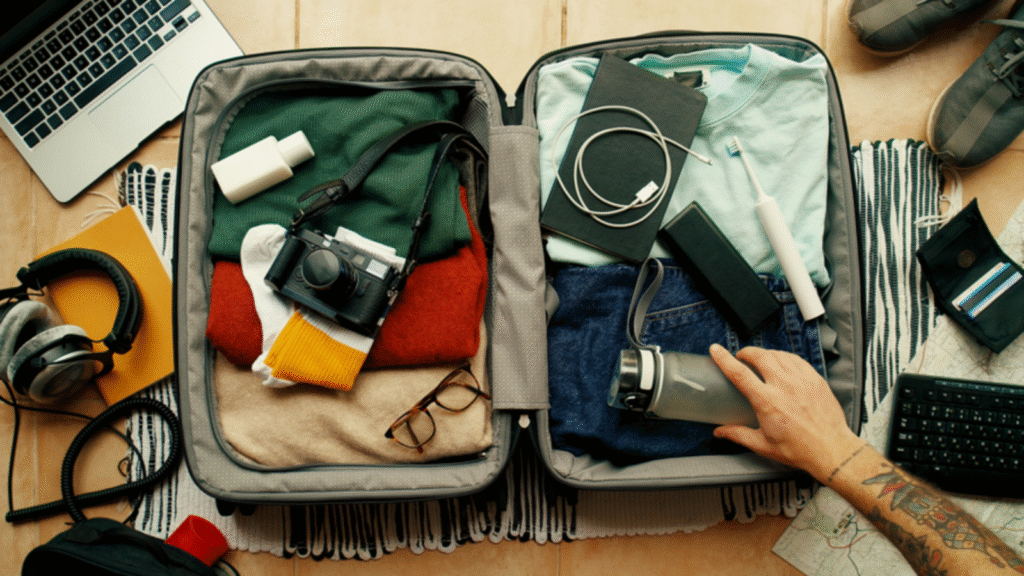
Travel Packing Tips often feels like a test of foresight. Travelers try to predict every possible situation, weather change, or unexpected need, and the result is usually an overfilled suitcase and unnecessary stress. Instead of simplifying Travel Packing Tips, poor packing decisions often make journeys heavier, slower, and more complicated than they need to be.
Simple Travel Packing Tips is not about carrying less for the sake of minimalism. It is about packing smarter by understanding what truly adds value to the journey. When bags are organized, lightweight, and intentional, Travel Packing Tips move more freely, spend less time managing belongings, and focus more on the experience itself. The difference between stressful and enjoyable Travel Packing Tips often begins with what goes into the bag.
Understanding the Purpose of Your Trip Before You Pack
Defining the Core Objective of Travel
Every successful Travel Packing Tips strategy begins with understanding the purpose of the trip. A vacation focused on relaxation, a work trip with meetings, and an adventure trip all require different items. Packing without clarity leads to unnecessary additions.
When the main objective is clear, items that do not directly support that goal become easier to eliminate.
Duration Versus Frequency of Use
Travel Packing Tips often assume that longer trips require more items. In reality, the frequency of use matters more than trip length. Clothing that can be reused, washed, or layered reduces the need for excess packing.
This shift in thinking is one of the most effective ways to pack lighter.
Destination Infrastructure Awareness
Access to laundry services, shops, medical facilities, and climate control significantly affects packing needs. Urban destinations usually require fewer backup items than remote locations.
Understanding what is available at the destination prevents over-preparation.
Core Principles of Simple Travel Packing
Intentional Item Selection
Each packed item should serve a clear, defined purpose. If an item cannot justify its place, it likely does not belong in the bag.
Intentional packing reduces decision fatigue during Travel Packing Tips.
Versatility Over Quantity
Versatile items replace multiple single-use items. Clothing that works across settings, accessories that serve multiple functions, and technology with multi-purpose capabilities simplify packing.
This principle is central to efficient travel.
Comfort as a Priority Metric
Uncomfortable items are rarely used, regardless of how good they look or sound in theory. Comfort should guide decisions about clothing, footwear, and accessories.
Comfortable Travel Packing Tips are more adaptable and less stressed.
Clothing Packing Strategies for Simple Travel
Building a Functional Clothing System
Instead of packing individual outfits, build a clothing system. Tops, bottoms, and layers should work together interchangeably.
This system approach reduces the total number of garments required.
Limiting Color Variety
Neutral color palettes allow more combinations with fewer pieces. A small number of accent colors can add variety without increasing volume.
Color discipline is a powerful packing tool.
Fabric Choice Matters
Quick-drying, wrinkle-resistant fabrics are ideal for Travel Packing Tips. They allow easy washing and reuse, reducing the need for extras.
Fabric selection is a technical but often overlooked aspect of packing.
Avoiding “Just in Case” Clothing
Clothing packed for unlikely scenarios often remains unused. Unless an event is confirmed, special-purpose clothing can usually be skipped.
Trusting adaptability simplifies decisions.
Smart Footwear Packing
Understanding Footwear Utility
Shoes take up significant space and weight. Each pair should justify its inclusion through frequent use or versatility.
Most trips require fewer shoes than expected.
The Two-Pair Approach
For most Travel Packing Tips, two pairs of shoes are sufficient. One primary pair for daily use and one secondary pair for specific needs.
This approach balances preparedness and simplicity.
Wearing the Bulkiest Shoes During Transit
Wearing heavy shoes during Travel Packing Tips saves luggage space and reduces overall weight.
This small tactic has a noticeable impact.
Toiletries and Personal Care: Keeping It Minimal
Separating Essentials from Preferences
Daily-use toiletries are essential; occasional-use products are optional. Distinguishing between the two reduces clutter.
Hotels and local stores often provide alternatives.
Using Refillable Containers
Refillable Travel Packing Tips containers provide flexibility and reduce waste. They also allow precise quantity control.
This is both practical and sustainable.
Preventing Leaks and Damage
Liquids should be packed securely in sealed bags and kept away from electronics and clothing.
Technical organization prevents common Travel Packing Tips mishaps.
Managing Documents and Travel Essentials
Centralized Document Storage
Keeping all important documents in one designated location reduces confusion and delays. Consistency is key.
This habit improves efficiency at checkpoints.
Digital Redundancy
Digital copies of documents act as backups in case of loss or theft. They add security without adding weight.
Preparedness enhances peace of mind.
Quick-Access Design
Items used frequently should be placed where they are easy to reach. This reduces unnecessary unpacking.
Good access design saves time and energy.
Electronics and Technology Packing
Evaluating Actual Technology Needs
Many Travel Packing Tips pack electronics they rarely use. Evaluating real usage patterns helps eliminate unnecessary devices.
Fewer devices simplify charging and storage.
Cable and Charger Consolidation
Multi-purpose cables and chargers reduce clutter. One high-quality solution often replaces several single-use items.
This improves organization and reliability.
Protecting Sensitive Equipment
Electronics should be padded, separated from liquids, and packed securely.
Protection prevents costly damage.
Space-Saving Packing Techniques
Rolling Clothes for Efficiency
Rolling clothes reduces wrinkles and saves space. It also improves visibility inside the bag.
This technique is especially effective for casual wear.
Using Packing Cubes Strategically
Packing cubes organize items by category and make repacking easier.
They improve structure without adding significant weight.
Filling Dead Space
Small items can be placed inside shoes or corners to maximize available space.
Efficient use of space reduces bulk.
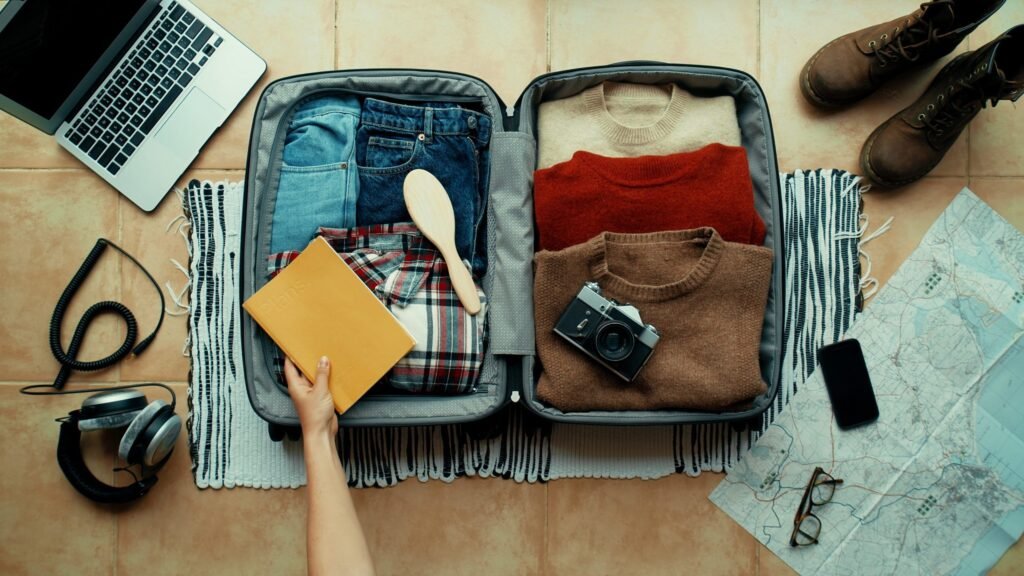
Carry-On Only Travel: A Practical Approach
Advantages of Carry-On Packing
Carry-on Travel Packing Tips reduces waiting times, avoids baggage fees, and minimizes loss risk.
It encourages disciplined packing habits.
Choosing the Right Bag
Bag size and structure influence packing behavior. Choosing the correct bag supports simplicity.
The bag itself is a packing tool.
Adjusting Expectations
Carry-on Travel Packing Tips requires flexibility and trust in adaptability. Most needs can be met at the destination.
Mindset matters as much as technique.
Packing for Different Travel Styles
Solo Travelers
Solo Travel Packing Tips benefit from light, flexible packing that allows easy movement.
Independence rewards simplicity.
Family Travelers
Families should focus on shared items and avoid duplication. Planning is essential.
Coordination improves efficiency.
Business Travelers
Business Travel Packing Tips benefits from wrinkle-resistant clothing and organized compartments.
Professional efficiency begins with packing.
Common Packing Mistakes and How to Avoid Them
Packing Without a Plan
Packing without a checklist leads to excess. A simple list provides structure.
Planning improves clarity.
Overestimating Needs
Many items are packed based on fear rather than probability. Rational evaluation reduces overpacking.
Confidence simplifies decisions.
Forgetting Return Travel Needs
Leaving space for souvenirs or purchases prevents stress during return packing.
Forward-thinking avoids problems.
The Psychological Benefits of Packing Simple
Reduced Travel Fatigue
Lighter luggage reduces physical strain and exhaustion.
Energy is preserved for experiences.
Improved Mobility and Freedom
Simple packing allows easier navigation through airports, cities, and accommodations.
Mobility enhances enjoyment.
Mental Clarity and Focus
Fewer belongings mean fewer decisions and distractions.
Mental space improves travel satisfaction.
Building Long-Term Smart Packing Habits
Reviewing After Every Trip
Identifying unused items helps refine future packing lists.
Experience is the best teacher.
Maintaining a Ready-to-Go Travel Kit
Keeping essentials prepared saves time and reduces stress.
Consistency builds confidence.
Evolving With Travel Experience
Packing strategies should evolve with changing travel styles and needs.
Adaptability leads to mastery.
Final Thoughts: Packing Less, Traveling Better
Simple travel packing is a skill that combines awareness, planning, and discipline. It is not about sacrificing comfort or preparedness, but about making thoughtful choices that support mobility and ease. When travelers pack with intention, they gain freedom rather than limitation.
The lightest luggage often carries the richest experiences. By understanding your needs, trusting your adaptability, and applying practical packing strategies, you transform packing from a stressful obligation into a strategic advantage. In the end, simple packing allows you to focus on what truly matters: the journey itself.
